

"At last the LORD has made room for us, and we will be fruitful in the
land."
- Genesis 26:22
Please wait...
"At last the LORD has made room for us, and we will be fruitful in the
land."
- Genesis 26:22
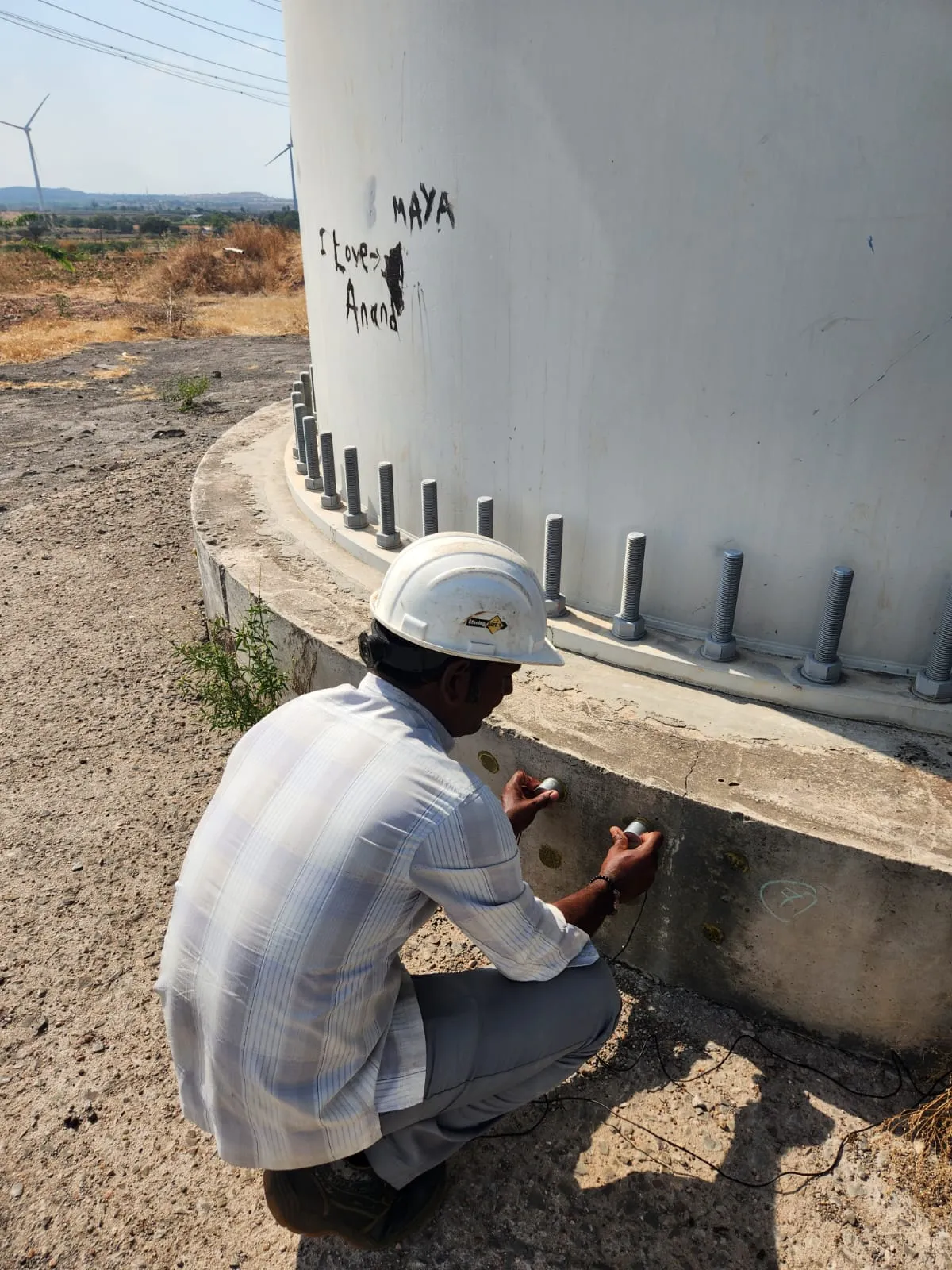
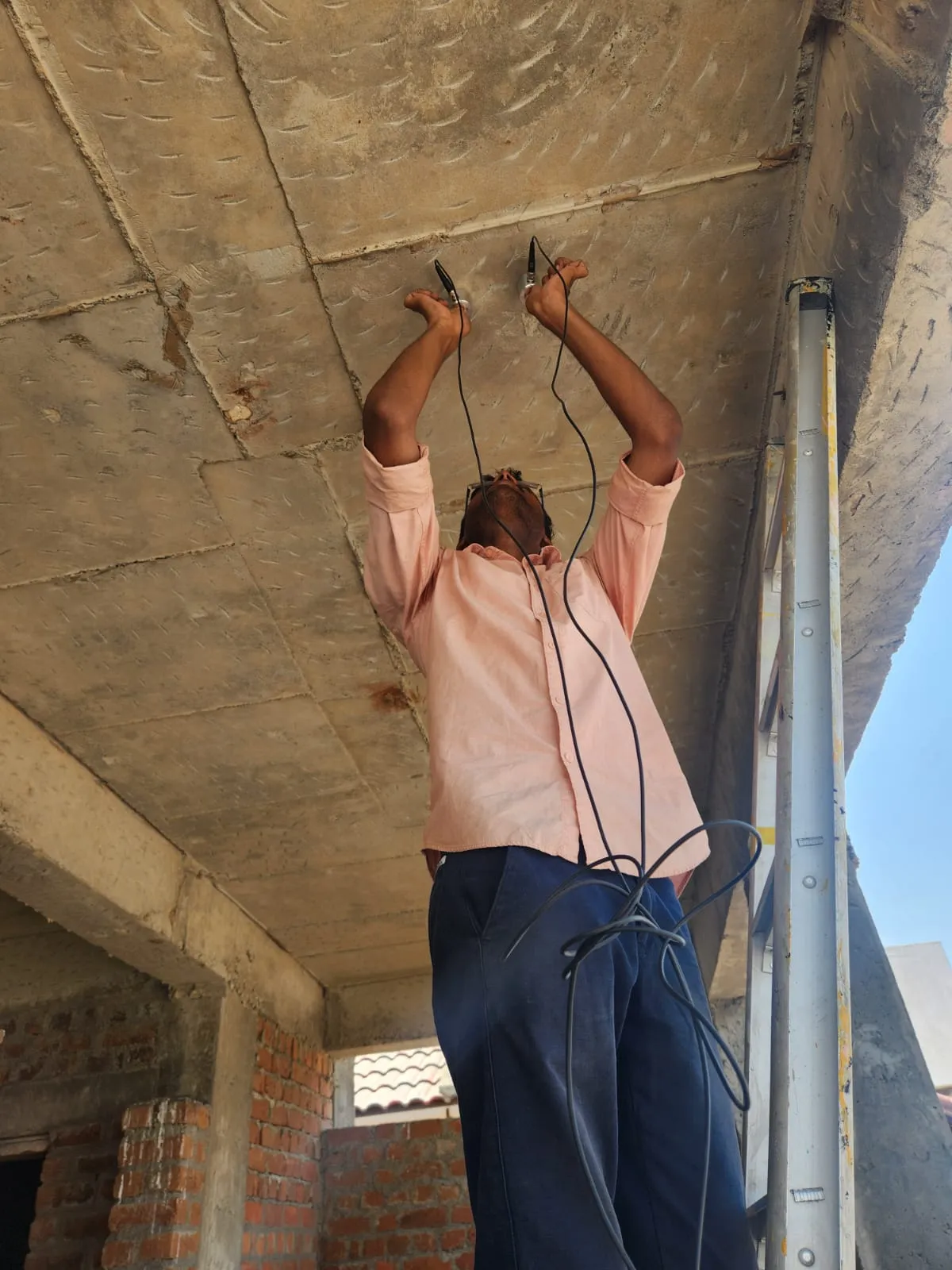
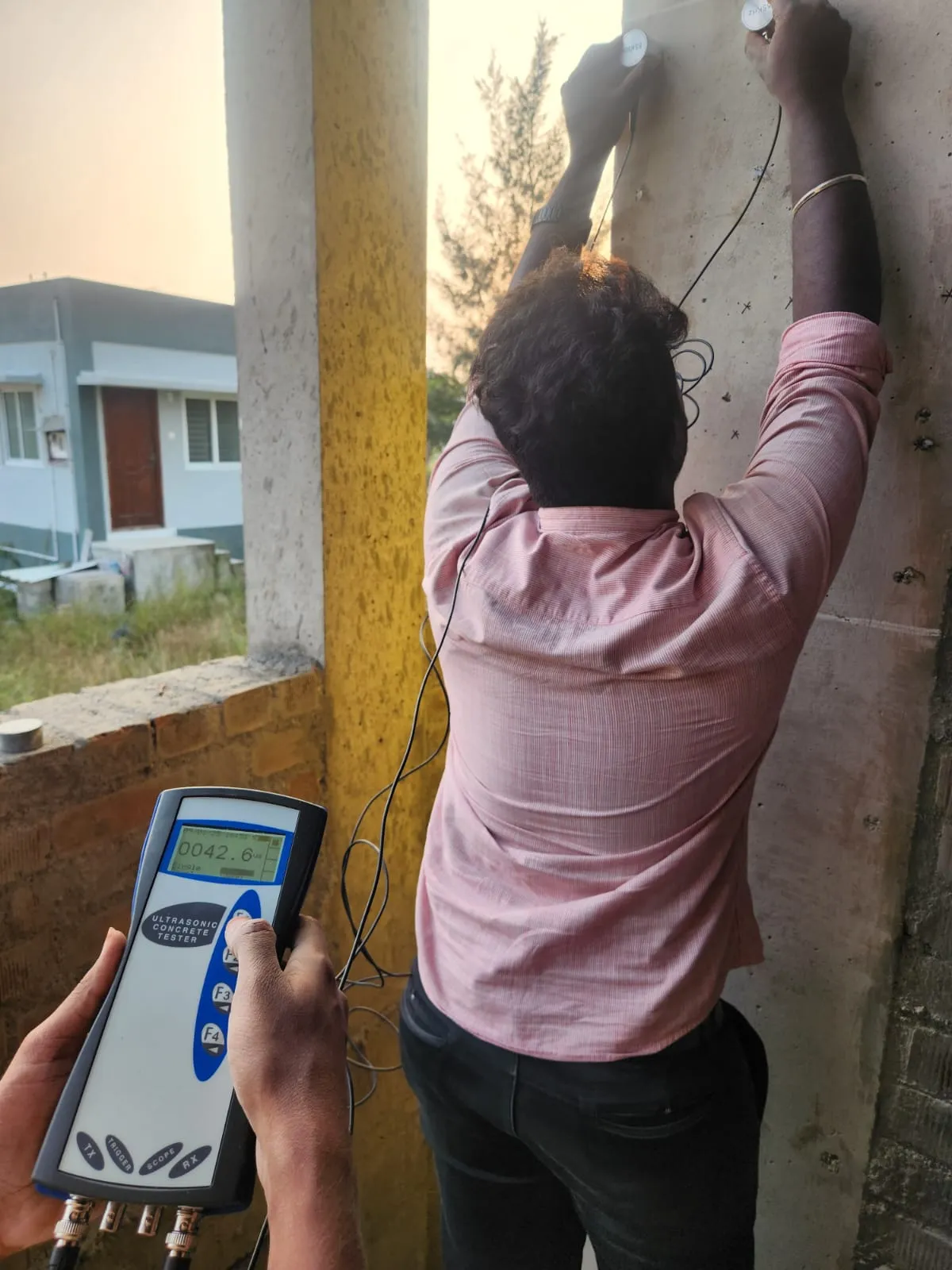
The upv test measures the time of travel of an ultrasonic pulse passing through the concrete. The high upv test and lower time of travel indicate good quality of concrete in terms of density, uniformity, homogeneity, etc.
The travel time of electronic pulses is measured when they travel from the transmitter to the receiver. The length of the path travelled by pulses is divided by the travel time of pulses which gives the average velocity of wave propagation. The pulse velocity is correlated to the strength of concrete. The higher the pulse velocity, the greater is the strength of concrete.